Key figures
for MAHPP
- Autonomous operation time – up to 90 days (in summer months)
- Fuel savings – up to 65%
- Power range – up to 30 kW
for AHPP
- Payback period up to 3 years due to fuel savings
- Power range – no power limitations
- Fuel savings – up to 50%
- Automated control system for AHPP
What are AHPP and MAHPP
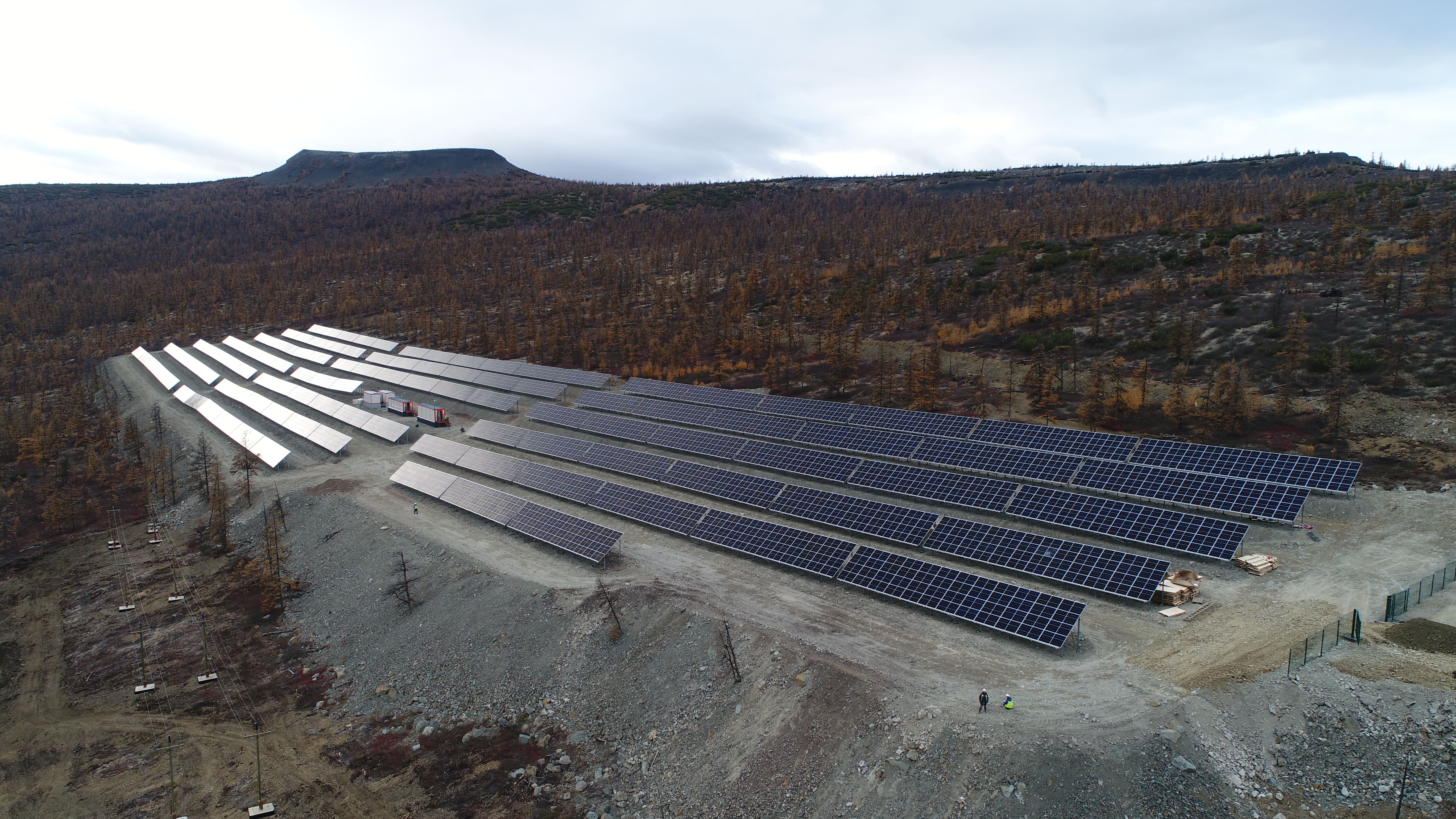
What AHPP and MAHPP
Installations
Are Used For
Power supply for remote facilities
Autonomization of industrial facilities
Backup power for critical infrastructure
Temporary and mobile facilities
Hybrid grid extension
Autonomous system WITHOUT energy storage
RES (solar power plant) operates in parallel with DGS/GPU. The control algorithm is designed to reduce the load on the DGS/GPU using solar energy, which reduces fuel consumption. Limitation: RES capacity must not exceed DGS/GPU capacity, and the load on the DGS/GPU must not drop below 30% for optimal operation mode.
Autonomous system WITH energy storage
RES + ESS + DGS/GPU. Solar energy and batteries cover the main load, while the ESS smooths out generation intermittency and manages energy distribution based on the load profile.. The DGS/GPU acts as a backup source utilized during winter months, minimizing fuel consumption and wear.
Hybrid system with grid connection
RES + ESS in parallel with the centralized grid (DGS/GPU optional as backup). The priority is covering the load with "green" energy, reducing grid consumption and peak payments.
Mobile AHPP (MAHPP)
Implemented according to any of the above concepts in a containerized design. Power limitations apply, but they offer high mobility and rapid installation.
Differences Between AHPP and Other Systems

AHPP and Diesel Generator Sets

AHPP and Grid-Connected Solar Power Plants

AHPP and Standalone Stations
Key Advantages

Reliable Power Supply Without Grid
Fuel Cost Reduction

Mobility and Fast Commissioning

Maximum Automation of the Power Plant

Flexibility of Configuration for the Facility
Industries of Application
 Industrial and Infrastructure Facilities
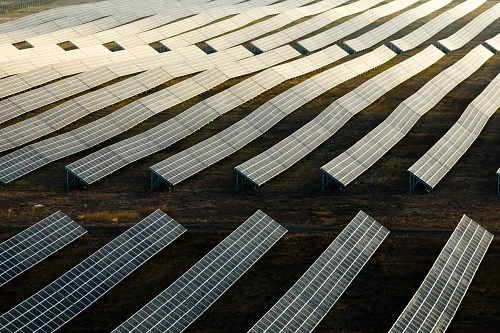 Remote Territories
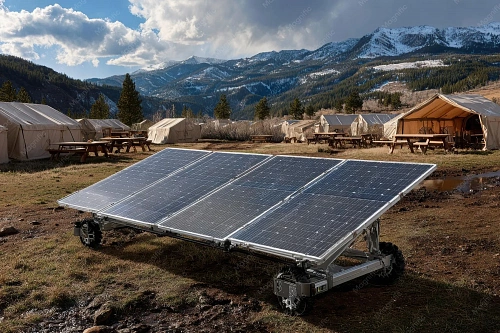 Temporary Facilities
Welcome to the sunny side!
Project Implementation Stages
Preliminary Consultation and Data Collection
Design and Configuration Selection
Production and Assembly
Delivery and installation
Commissioning and testing
Handover and launch
Service support
Autonomous systems operate completely independently of external grids, using a combination of RES, energy storage, and a backup fuel generator. They provide power supply to facilities where grid connection is physically impossible or economically unfeasible. Hybrid systems are connected to a centralized grid, which they use as an additional source or backup, primarily consuming energy from their own generation to reduce electricity costs.
The basic configuration includes: renewable energy sources (solar panels and/or wind turbines), a backup diesel generator unit or gas engine unit, an energy storage system based on rechargeable batteries, inverter equipment for converting direct current (DC) to alternating current (AC), a smart control and monitoring system, distribution equipment, and safety devices. The specific configuration is determined individually based on the facility's requirements.
The cost depends on the capacity, configuration, remoteness of the facility, and the selected components. You can find out more details from us by submitting a request on our website.
The total lifespan of the system is at least 30 years, subject to regular maintenance. Solar panels retain at least 86% of their performance after 30 years of operation. Batteries require replacement every 10–15 years or 6,000 cycles, depending on the type and intensity of use. A diesel generator has a lifespan of 15–20 years or 20,000–30,000 operating hours. The control system and inverter equipment are designed for 15–20 years of operation.
This depends on the consumer's operating modes. There are examples of MAHPP where maintenance includes only scheduled servicing 1–2 times a year (checking connections, cleaning panels, DG diagnostics) and fuel monitoring. The system is fully automated, and remote monitoring allows detecting faults in advance.
Yes, the modular architecture of our systems allows scaling the installation as the facility's energy consumption grows. It is possible to add extra solar panels, increase the capacity of the energy storage system, or install a more powerful inverter or an additional generator.
High insolation is recorded in the southern and Far Eastern regions of Russia, achieving record electricity generation from solar panels, which allows covering a significant part of the consumer's load. In northern regions, solar power plant generation is lower, but often the economic effect even surpasses southern regions due to the high cost of fuel delivery and electricity generation. In windy regions, a combination of solar panels with wind turbines is optimal for uniform generation throughout the year. The greatest effect from AHPS implementation is achieved by facilities remote from grids.
Solar modules come with a warranty of up to 30 years; other equipment ranges from 5 to 15 years. We provide extended service support, a warranty, and the option to conclude a long-term maintenance agreement.
Other solutions

Utility-scale SPPs