Submit a request

Autonomous Hybrid Power Plants (AHPP and MAHPP)

Stable energy where there is no grid
Autonomous Hybrid Power Plants (AHPP and MAHPP)

Key figures

for MAHPP

  • Autonomous operation time – up to 90 days (in summer months)
  • Fuel savings – up to 65%
  • Power range – up to 30 kW

for AHPP

  • Payback period up to 3 years due to fuel savings
  • Power range – no power limitations
  • Fuel savings – up to 50%
  • Automated control system for AHPP

What are AHPP and MAHPP
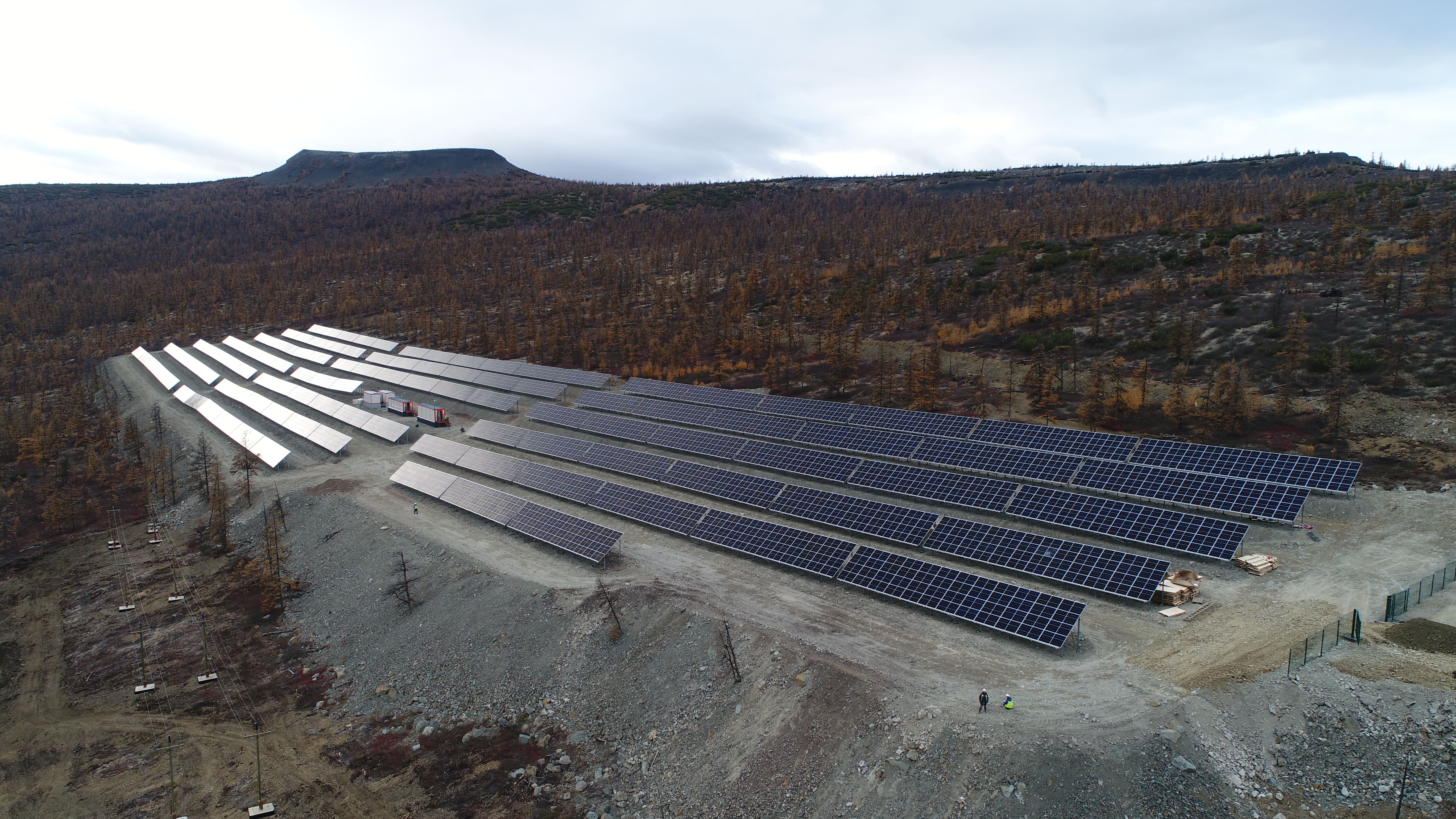
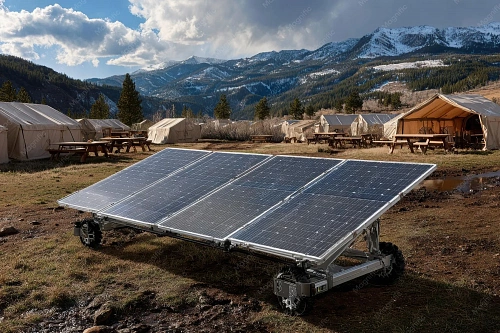
Autonomous Hybrid Power Plants (AHPP) are integrated power supply systems that combine renewable energy sources (RES, predominantly solar panels) with diesel generator sets (DGS) or gas piston units (GPU). Optionally, energy storage systems (ESS) are utilized in these plants. Principle of operation: priority is given to "green" energy from RES, storage systems smooth out peaks and intermittency, and the DGS/GPU turns on only as a backup or to cover deficits. This ensures maximum fuel savings and reliability. MAHPP (mobile AHPP) are implemented in containerized or mobile configurations based on the same principles, but with power limitations due to structural features – ideal for temporary facilities, construction sites, or emergency situations.
What are AHPP and MAHPP

What AHPP and MAHPP
Installations
Are Used For

Power supply for remote facilities

providing electricity to weather stations, telecommunication towers, and scientific stations located far from centralized grids.

Autonomization of industrial facilities

power supply for drilling rigs, quarries, and logging sites, minimizing logistics costs for fuel delivery.

Backup power for critical infrastructure

ensuring uninterrupted operation of hospitals, data centers, and communication systems during main grid failures.

Temporary and mobile facilities

power supply for construction sites, field camps, and outdoor events without the need to connect to stationary grids.

Hybrid grid extension

in regions with unstable power supply to reduce energy purchasing costs.
Composition and Configuration

Autonomous system WITHOUT energy storage

RES (solar power plant) operates in parallel with DGS/GPU. The control algorithm is designed to reduce the load on the DGS/GPU using solar energy, which reduces fuel consumption. Limitation: RES capacity must not exceed DGS/GPU capacity, and the load on the DGS/GPU must not drop below 30% for optimal operation mode.


Autonomous system WITH energy storage

RES + ESS + DGS/GPU. Solar energy and batteries cover the main load, while the ESS smooths out generation intermittency and manages energy distribution based on the load profile.. The DGS/GPU acts as a backup source utilized during winter months, minimizing fuel consumption and wear.


Hybrid system with grid connection

RES + ESS in parallel with the centralized grid (DGS/GPU optional as backup). The priority is covering the load with "green" energy, reducing grid consumption and peak payments.


Mobile AHPP (MAHPP)

Implemented according to any of the above concepts in a containerized design. Power limitations apply, but they offer high mobility and rapid installation.


Differences Between AHPP and Other Systems

AHPP and Diesel Generator Sets

AHPP and Diesel Generator Sets

Traditional DGSs provide reliable power supply but require constant fuel deliveries, especially in remote areas, which significantly increases operating expenses. AHPPs reduce diesel fuel consumption by up to 50% through the use of renewable energy sources, extending the lifespan of the DGS unit and reducing environmental impact.
AHPP and Grid-Connected Solar Power Plants

AHPP and Grid-Connected Solar Power Plants

SPPs operate in parallel with the centralized power grid, transferring excess generation to the external grid. They do not have energy storage systems and depend entirely on the presence of grid infrastructure. AHPPs, conversely, are designed for completely autonomous operation without connection to external grids. They always feature backup diesel generators (DGS) and typically include energy storage systems to guarantee 24/7 power supply, regardless of weather conditions.
AHPP and Standalone Stations

AHPP and Standalone Stations

Purely renewable systems without a backup fuel source cannot guarantee uninterrupted power supply during periods of low insolation or calm wind. Even with large battery storage systems, there remains a risk of complete discharge during prolonged adverse weather. To ensure reliability, AHPPs solve this problem by integrating a DGS, which turns on automatically when necessary.

Key Advantages

Reliable Power Supply Without Grid

Reliable Power Supply Without Grid

Guaranteed 24/7 power supply regardless of the availability of centralized grids. The intelligent control system automatically switches between energy sources, ensuring power continuity even if one component fails. Redundancy with multiple generation sources eliminates the risk of complete power blackout at the facility.
Fuel Cost Reduction

Fuel Cost Reduction

Diesel fuel savings for remote facilities, where the cost of fuel delivery can be 2–4 times higher than its market price. This means increased autonomy for the facility, reduced operating costs, and a return on investment (ROI) for AHPP of up to 3 years depending on the facility's remoteness.
Mobility and Fast Commissioning

Mobility and Fast Commissioning

Containerized MAHPPs can be deployed at a facility within 1–2 working days. Complex construction and installation works, as well as lengthy grid connection procedures, are not required. After completing work at a temporary facility, the plant is dismantled and transported to a new location.
Maximum Automation of the Power Plant

Maximum Automation of the Power Plant

The intelligent control system operates fully automatically without operator intervention. Remote monitoring via the Internet allows controlling the plant's operating parameters from anywhere in the world. The self-diagnostic system warns in advance about the need for maintenance.
Flexibility of Configuration for the Facility

Flexibility of Configuration for the Facility

Each plant is designed individually, taking into account climatic conditions, the consumer's load schedule, reliability requirements, and the available budget. The modular architecture allows starting with a basic configuration and gradually increasing capacity as consumption grows. Integration of various types of RES – solar panels, wind turbines, small hydro power plants – within a single system is possible.

Industries of Application

Unigreen Energy designs and implements AHPP and MAHPP for key sectors of the economy in Russia and the CIS countries. Our solutions are adapted to the specific needs of each sector – from oil and gas fields to remote scientific stations.
Industrial and Infrastructure Facilities
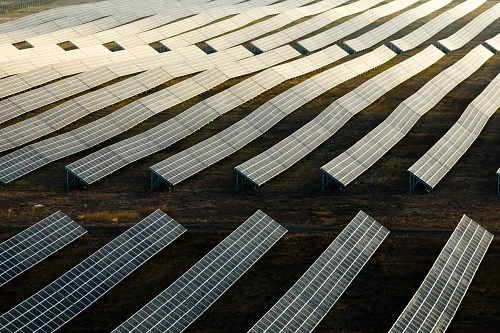
Remote Territories
Temporary Facilities

Welcome to the sunny side!

Use a renewable energy source to reduce costs and create prosperity for your business.
Request a free project estimate

Project Implementation Stages

Preliminary Consultation and Data Collection

Our engineers visit the facility for a comprehensive survey: power consumption profile, regional climatic conditions, and fuel availability. We assess the solar and wind potential of the location and study the existing infrastructure. Based on the collected data, we form a technical assignment, taking into account the facility's development prospects for 10–15 years ahead.

Design and Configuration Selection

An individual project is developed: selection of RES capacity, type and capacity of storage systems (if necessary), DGS model, and control system. Layout plans, foundations, and logistics are agreed upon.

Production and Assembly

Equipment is manufactured or supplied by trusted partners. All components undergo factory testing. We assemble test samples and test them on a bench in various operating modes.

Delivery and installation

Logistics to the facility (including challenging regions). Installation works are performed by certified crews.

Commissioning and testing

Control system adjustment, integration of all components, and comprehensive load testing. Training personnel in basic operations and monitoring.

Handover and launch

Signing of acceptance certificates, handover of documentation. The system begins operation in fully automatic mode. Remote monitoring via a cloud platform is available.

Service support

Warranty and post-warranty service, remote diagnostics, and scheduled maintenance. If necessary — system expansion or modernization.
Frequently Asked Questions
What is the difference between autonomous and hybrid systems?

Autonomous systems operate completely independently of external grids, using a combination of RES, energy storage, and a backup fuel generator. They provide power supply to facilities where grid connection is physically impossible or economically unfeasible. Hybrid systems are connected to a centralized grid, which they use as an additional source or backup, primarily consuming energy from their own generation to reduce electricity costs.

What is included in an AHPP?

The basic configuration includes: renewable energy sources (solar panels and/or wind turbines), a backup diesel generator unit or gas engine unit, an energy storage system based on rechargeable batteries, inverter equipment for converting direct current (DC) to alternating current (AC), a smart control and monitoring system, distribution equipment, and safety devices. The specific configuration is determined individually based on the facility's requirements.

How much does an AHPP cost?

The cost depends on the capacity, configuration, remoteness of the facility, and the selected components. You can find out more details from us by submitting a request on our website.

What is the lifespan of an AHPP?

The total lifespan of the system is at least 30 years, subject to regular maintenance. Solar panels retain at least 86% of their performance after 30 years of operation. Batteries require replacement every 10–15 years or 6,000 cycles, depending on the type and intensity of use. A diesel generator has a lifespan of 15–20 years or 20,000–30,000 operating hours. The control system and inverter equipment are designed for 15–20 years of operation.

Is constant maintenance required for AHPP MAHPP?

This depends on the consumer's operating modes. There are examples of MAHPP where maintenance includes only scheduled servicing 1–2 times a year (checking connections, cleaning panels, DG diagnostics) and fuel monitoring. The system is fully automated, and remote monitoring allows detecting faults in advance.

Can the AHPP capacity be expanded in the future?

Yes, the modular architecture of our systems allows scaling the installation as the facility's energy consumption grows. It is possible to add extra solar panels, increase the capacity of the energy storage system, or install a more powerful inverter or an additional generator.

In which regions is the installation of AHPP effective?

High insolation is recorded in the southern and Far Eastern regions of Russia, achieving record electricity generation from solar panels, which allows covering a significant part of the consumer's load. In northern regions, solar power plant generation is lower, but often the economic effect even surpasses southern regions due to the high cost of fuel delivery and electricity generation. In windy regions, a combination of solar panels with wind turbines is optimal for uniform generation throughout the year. The greatest effect from AHPS implementation is achieved by facilities remote from grids.

What kind of warranty is provided for the equipment?

Solar modules come with a warranty of up to 30 years; other equipment ranges from 5 to 15 years. We provide extended service support, a warranty, and the option to conclude a long-term maintenance agreement.

Other solutions

Utility-scale SPPs
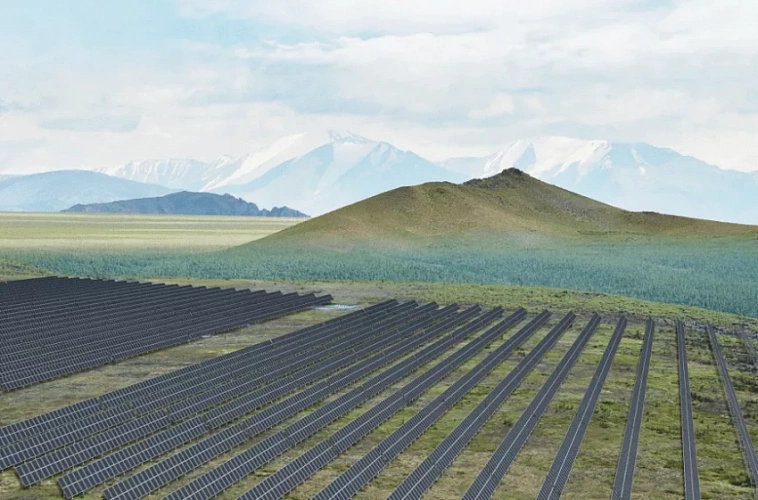
Utility-scale SPPs

Provide your business with green energy with energy-efficient grid-connected solar installations that produce electricity steadily even in cloudy weather and help to fix electricity costs, protecting against rising tariffs and unpredictable price spikes
Explore
Hybrid Solar Power Plants

Hybrid Solar Power Plants

Energy independence without compromise — during grid outages, high tariffs, or in the absence of power lines.
Explore