
Director of the Sales Department of the Russian Federation and the CIS
Just 90 minutes of sunlight captured on the Earth’s surface would be enough to power our planet for an entire year. This figure is provided by the U.S. Department of Energy.
Renewable energy sources (RES) have become one of the fastest-growing sectors of the global economy. Only solar energy has grown at an average rate of 33.1% per year over the past decades in developed countries. This is not just a trend—it's a fundamental shift in how humanity produces and consumes energy.
But what exactly is “renewable energy”? Why is it so important right now? And how does it influence the economy, ecology, and our daily lives? Let’s analyze these questions step by step.
Clean Energy Sources Explained:: Simply About the Complex
The word “renewable” is key. Renewable energy sources encompass natural sources and production processes capable of being constantly replenished or regenerated. The sun shines every day, the wind blows continuously—these resources are virtually inexhaustible. This is what distinguishes them from oil, gas, and coal, which formed over millions of years and are burned within a few decades.
The classification of RES in energy includes several major groups: solar, wind, hydro, geothermal, and bioenergy.
Each of these types has its strengths, limitations, and prospects. However, they share a fundamental trait: unlike fossil fuels, they do not emit critical volumes of greenhouse gases into the atmosphere.
Main Types of Environmentally Clean Energy Sources
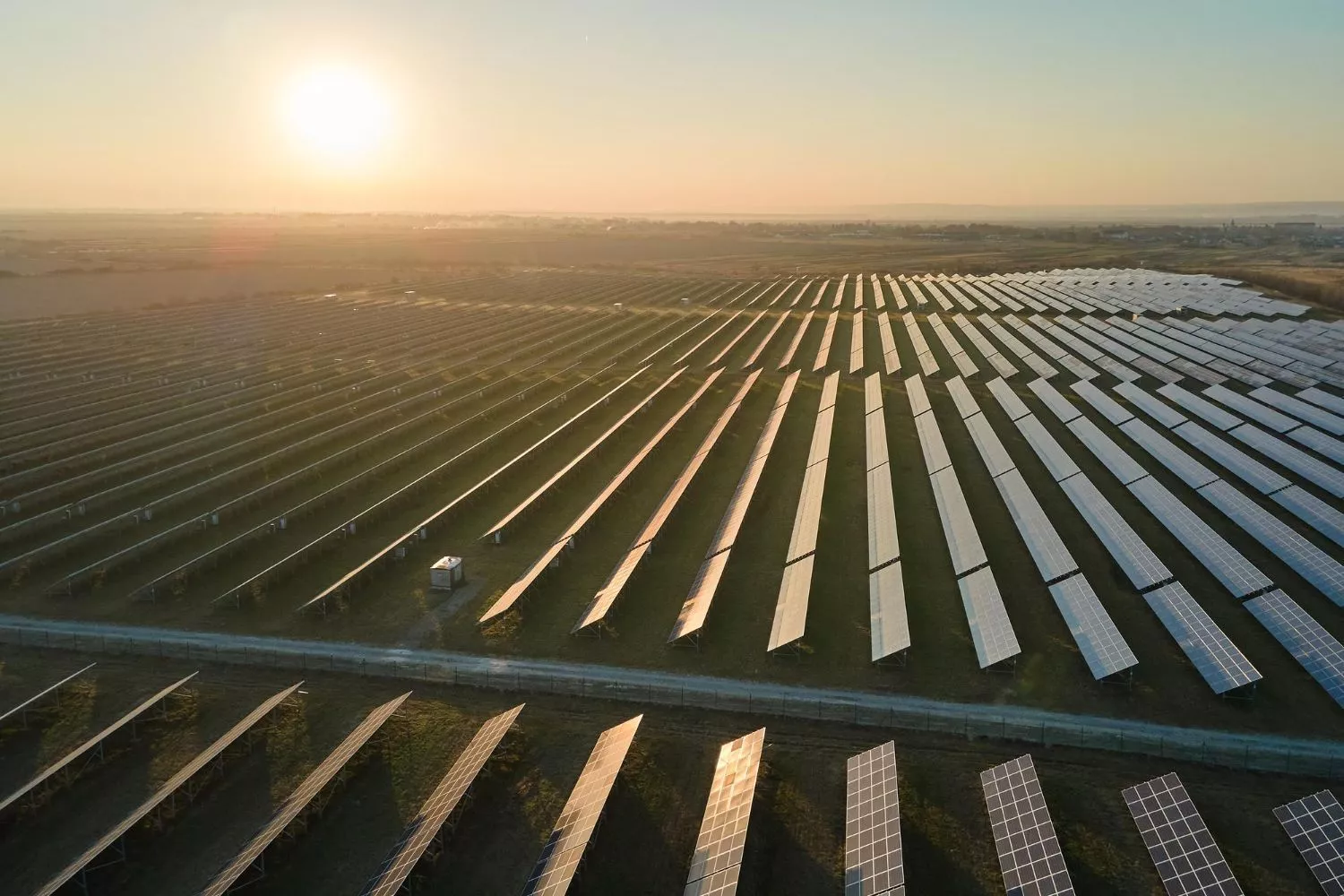
Solar Energy — The Growth Champion
Ten years ago, solar generation accounted for less than 1% of the global energy mix—considered an expensive privilege. Today, the situation is fundamentally different: according to IEA data, by the end of 2019, the share of solar energy in global electricity generation reached 9%, and by 2040, the agency forecasts growth to 24%. In terms of generation volume, solar electricity is expected to catch up with wind power by 2030.
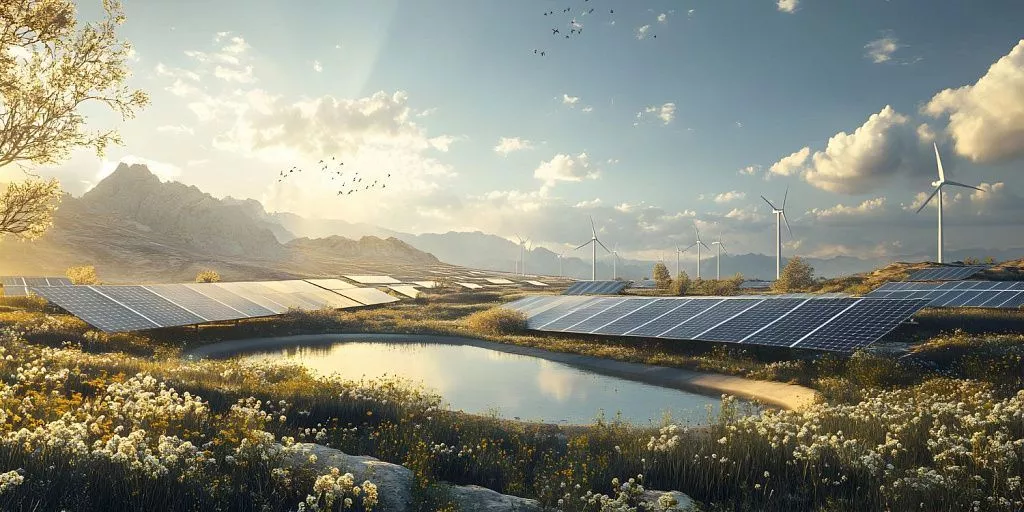
How does it work? There are two main approaches. The first is photovoltaic (PV) panels: PV cells directly convert sunlight into electricity. The second is concentrated solar thermal systems, where mirrors concentrate radiation, heat water to produce steam, and the steam drives turbines. Both approaches are actively used at various scales—from panels on private rooftops to large industrial power plants.
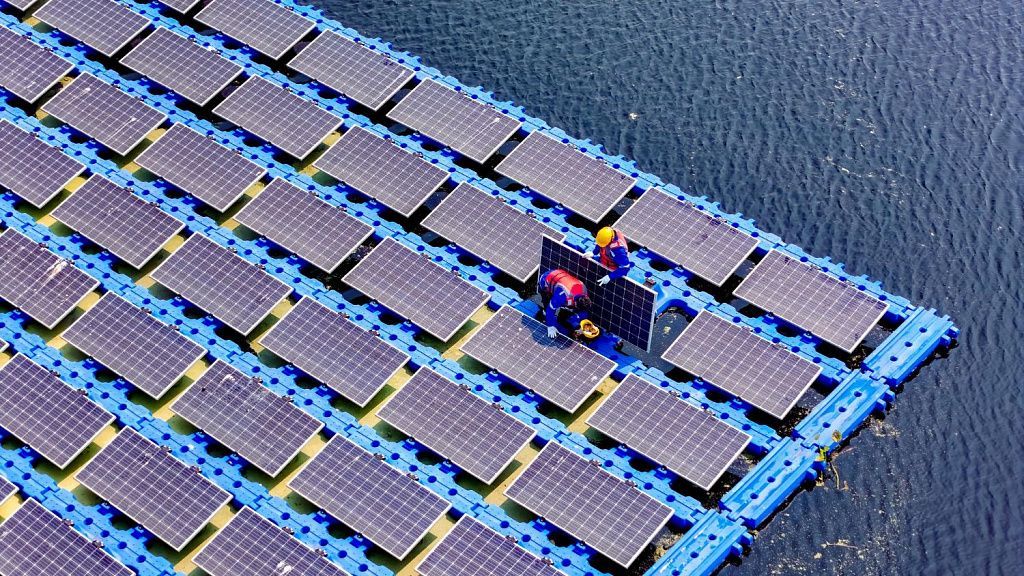
The key feature of solar energy is its versatility. Sunlight reaches every point on the planet, regardless of climate or geography. Stations can be placed on land, rooftops, building facades, and even on water surfaces—floating photovoltaic systems are already operating on reservoirs and lakes. With proper design, such facilities produce no harmful emissions or greenhouse gases.
Wind Power — The Force Blowing from the Sea
Wind causes turbine blades to rotate, and a generator converts this motion into electricity. Over the past decade, wind energy has been a leading source of new capacity in Europe, the USA, and Canada.
Offshore wind farms are particularly promising: wind speeds over the sea are higher than on land. However, building and maintaining offshore turbines is significantly more expensive.
Hydropower — The Reliable Veteran
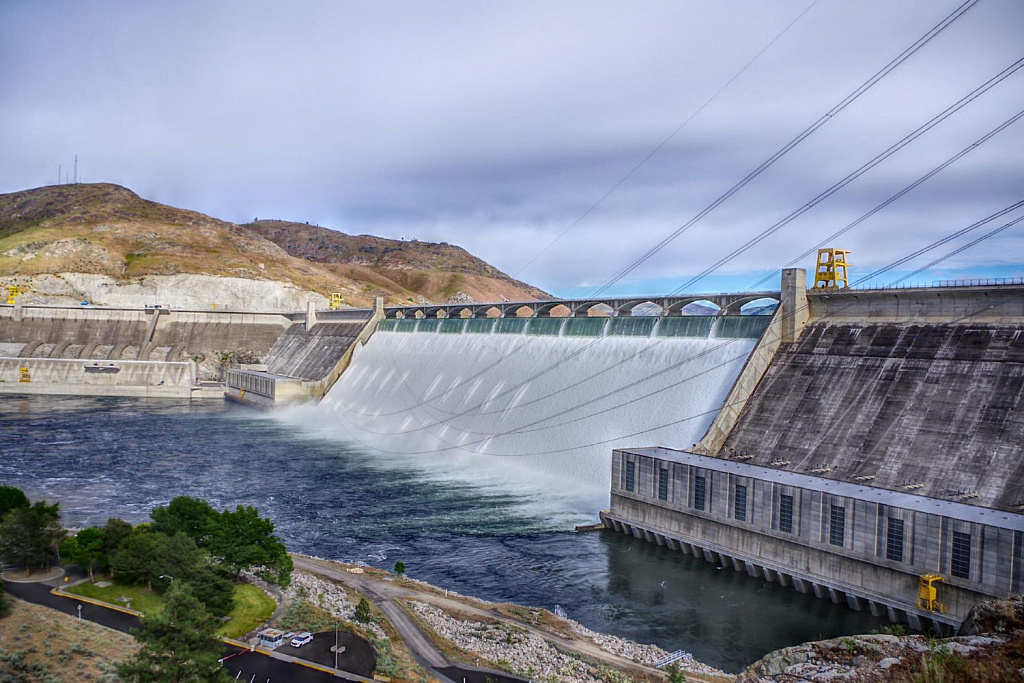
Water flows constantly—this is the main force behind hydropower. Hydroelectric generators can be quickly switched on and off depending on current demand, making hydro stations ideal for balancing load.
In terms of cost per unit of electricity produced, hydroelectric power plants (HPPs) have no rivals among all types of power plants. Despite the rapid growth of solar and wind, IEA forecasts that by 2040, hydropower will still lead in total output—simply because its existing capacity is already huge.
Small hydropower plants with capacities up to approximately 40 MW are particularly interesting. They divert only part of the water flow, barely affecting ecosystems, and with proper management, cause minimal environmental damage. Norway, Iceland, and Canada are leaders in per capita hydropower generation. China is actively building the most small hydroelectric stations worldwide, accounting for up to half of all small hydro capacities globally.
Geothermal Energy — Heat from Deep Within the Earth
Geothermal plants utilize thermal energy from beneath the Earth's surface: artificial wells reach zones heated by magma, with water rising to the surface as steam that drives turbines. The main advantage is near-complete independence from weather, time of day, or season.
Bioenergy and Tidal Power
Bioenergy converts biological waste into fuel—solid (firewood, chips, pellets), liquid (bioethanol, biodiesel), or gaseous (biogas, methane). Instead of transporting waste to landfills where it decomposes and releases CO₂, it is transformed into energy. However, many types of biomass emit more carbon when burned than fossil fuels—so the “green” status of bioenergy should be approached selectively.
Tidal energy harnesses the power of ocean tides, which occur twice daily. The technology is relatively young but highly predictable: tides are an absolutely regular phenomenon.
Comparison of Environmentally Clean Energy Sources
To understand which RES is better, it is necessary to consider several parameters simultaneously:
- Environmental Impact (including emissions over the entire lifecycle, impact on nature)
- Reliability / continuity (baseload or variable)
- Dependence on weather / time of day
- Dispatchability (ability to quickly regulate capacity)
- Resource availability (geographic distribution)
- Current technical and economic potential (LCOE—average projected cost of electricity production)
Type of Energy |
Environmental Impact (Lifecycle) |
Reliability / Continuity |
Intermittency |
Dispatchability |
Availability |
Technical & Economic Potential (2025–2030) |
Solar PV |
High (very low emissions ~40–50 g CO₂/kWh) |
Low (only during daytime) |
High |
Low |
Very high (everywhere) |
Very high (LCOE ~0.03–0.05 USD/kWh, growth leader) |
Solar Thermal (CSP) |
High |
Medium (with heat storage) |
High |
Medium |
High (solar regions) |
High (but growth slower) |
Onshore Wind |
High (~7–50 g CO₂/kWh) |
Low–Medium |
High |
Low |
High |
High (LCOE ~0.03 USD/kWh, inexpensive leader) |
Offshore Wind |
High |
Medium (more stable) |
Medium |
High |
Medium (coastal areas) |
High (but more expensive, LCOE ~0.07–0.10 USD/kWh) |
Large Hydropower |
High–medium (24–50 g CO₂/kWh, flooding, ecosystem impacts) |
Very high (baseload) |
Low–Medium |
Very high |
Medium (rivers) |
Very high (most economical LCOE ~0.05–0.06 USD/kWh) |
Small Hydropower |
High |
High |
Low–Medium |
High |
Medium |
Medium–high |
Geothermal |
Very high (~6–80 g CO₂/kWh) |
Very high (24/7) |
Absent |
Medium–high |
Low–medium (region-dependent) |
High (stable in suitable regions) |
Bioenergy |
Medium–High (18–230 g CO₂/kWh, depending on type; possibly carbon-neutral) |
High |
Low |
High |
High (waste, forests) |
Medium (LCOE ~0.07 USD/kWh, “green” status debated) |
Tidal / Wave |
High |
High (predictable |
Low (tide cycles |
Low |
Low (coasts with strong tides) |
Low–medium (technology developing) |
Advantages of Environmentally Clean Energy Sources: Why It’s Beneficial for Everyone
Environmental friendliness. Green energy does not emit CO₂, which contributes to global warming. A complete transition to RES would reduce air pollution and improve public health—lowering premature mortality caused by pollution and decreasing healthcare costs.
Energy security. Countries dependent on imported oil and gas pay heavily for geopolitical risks elsewhere. RES allow nations to develop their own generation capacity domestically. The sun is a resource available to everyone, unaffected by sanctions or price wars.
Cost reduction. By 2040, scientists project that the costs of solar and wind energy in most regions will be lower than those of natural gas.
Job creation. Renewable energy has proven effective in generating employment. Worldwide, approximately 11 million people are employed in RES sectors—and this number continues to grow.
The Use of RES and the Economy
Skeptics often say: “If green energy were truly profitable, it wouldn’t need subsidies.” But let’s look at the numbers objectively.
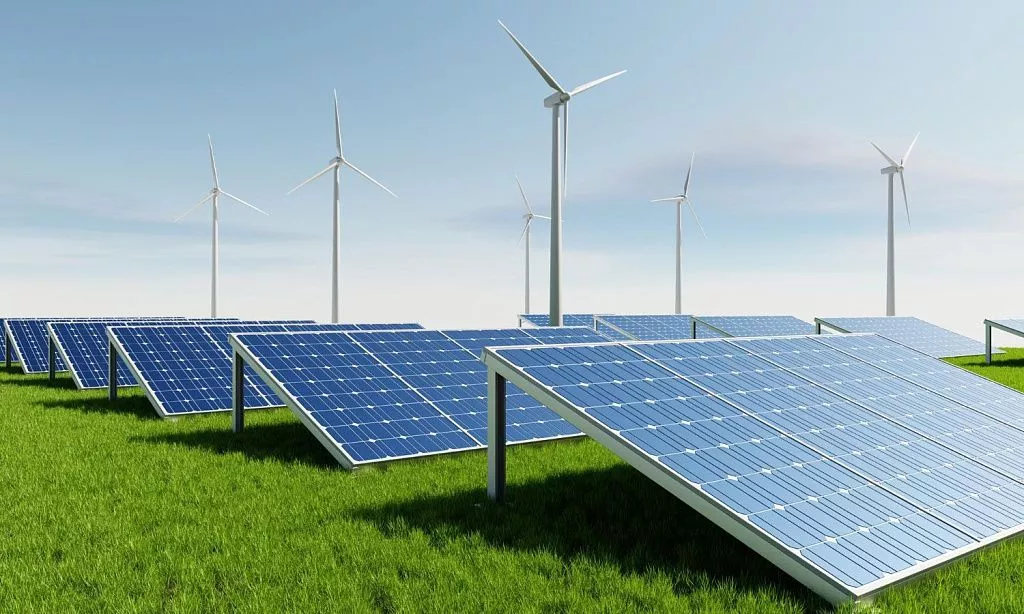
Renewable energy has grown at an average rate of 3.2% annually since 2000—much faster than traditional energy, which grew only 1.4% annually since 1990. Solar and wind, in particular, have developed at rates of 37% and 23.4% per year respectively—a colossal growth. Since 2012, more than half of all new energy capacities installed worldwide have been RES. In 2019, this figure reached a record: 75% of all new capacities were “green.”
And what about Russia? For a long time, it seemed that a country rich in oil and gas simply wasn’t interested in the green agenda. But the numbers tell a different story. According to the Association for the Development of Renewable Energy and official strategies, the Russian RES market is entering a phase of sustainable growth.
By 2030, under the federal project “Clean Energy,” the total installed capacity of RES is expected to reach about 9.5 GW, with their share in electricity generation increasing to around 6%.
By 2035, experts forecast a significant technological leap in the sector and further growth of RES in the country’s energy balance.
For an economy with such a high level of energy consumption as Russia’s, even a few percent translates into billions of kilowatt-hours and hundreds of thousands of households and enterprises transitioning to cleaner—and in the future—cheaper generation.
What Lies Behind the Paris Agreement and RES
In 2016, countries worldwide signed the Paris Agreement. The goal is to reach net-zero emissions by 2050: removing as much CO₂ from the atmosphere as we emit. This is an international treaty obligating governments to act—and it has become a powerful catalyst for investments in RES.
The sustainable development scenario, designed to meet the Paris targets, involves keeping the global temperature rise below 2°C compared to pre-industrial levels. If global energy development follows this path, renewable sources will attract enormous investments.
Technologies play a crucial role here. Alongside the growth of solar and wind capacities, “smart” energy management systems are also evolving. Intelligent networks process data from millions of sensors and optimize consumption in real time.
Practical Scenarios for Using Renewable Energy
Large business and industry. For energy-intensive enterprises with high energy consumption, solar generation is primarily a tool for reducing operating costs. Unigreen Energy specializes in the construction of solar power plants with a capacity of 500 kW or more for industrial facilities, agricultural enterprises, and commercial properties. A special focus is on hybrid diesel-solar power plants for remote areas in the Far East and the mining industry, where the cost of diesel generation is particularly high.
Large hydropower. RusHydro is one of the main players in Russian renewable energy, with a total generating capacity of 38 GW, of which 30.8 GW is provided by hydroelectric power plants. This is a living example of how renewable energy has been operating on an industrial scale for decades, reliably and without CO₂ emissions.
Wind power beyond the Arctic circle. Enel Russia is building the 201 MW Kola Wind Farm, the largest wind farm beyond the Arctic Circle. The project demonstrates that renewable energy sources can operate even in extreme climatic conditions.
Oil giants are also turning to RES. Lukoil has been investing in renewable energy for over 10 years: hydroelectric power plants in Krasnodar Krai and Adygea with a total capacity of 297 MW, and wind parks in Romania and Bulgaria with a capacity of 208 MW. Gazprom Neft is developing a wind park and geothermal projects in Serbia. For remote villages, industrial sites, and rural areas where connecting to the centralized grid is unprofitable, hybrid solar and wind systems are often the only sensible solution. These systems are cheaper than diesel generation in the long run and are significantly more environmentally friendly.
Isolated territories. For remote villages, industrial sites, and rural areas where it is not cost-effective to install a centralized grid, hybrid solar and wind systems are often the only viable solution. This is both cheaper than diesel generation in the long run and significantly more environmentally friendly.
Director of the Sales Department of the Russian Federation and the CIS