
Director of the Sales Department of the Russian Federation and the CIS
How Many Years Solar Panels Will Last: Breaking Down Each Type
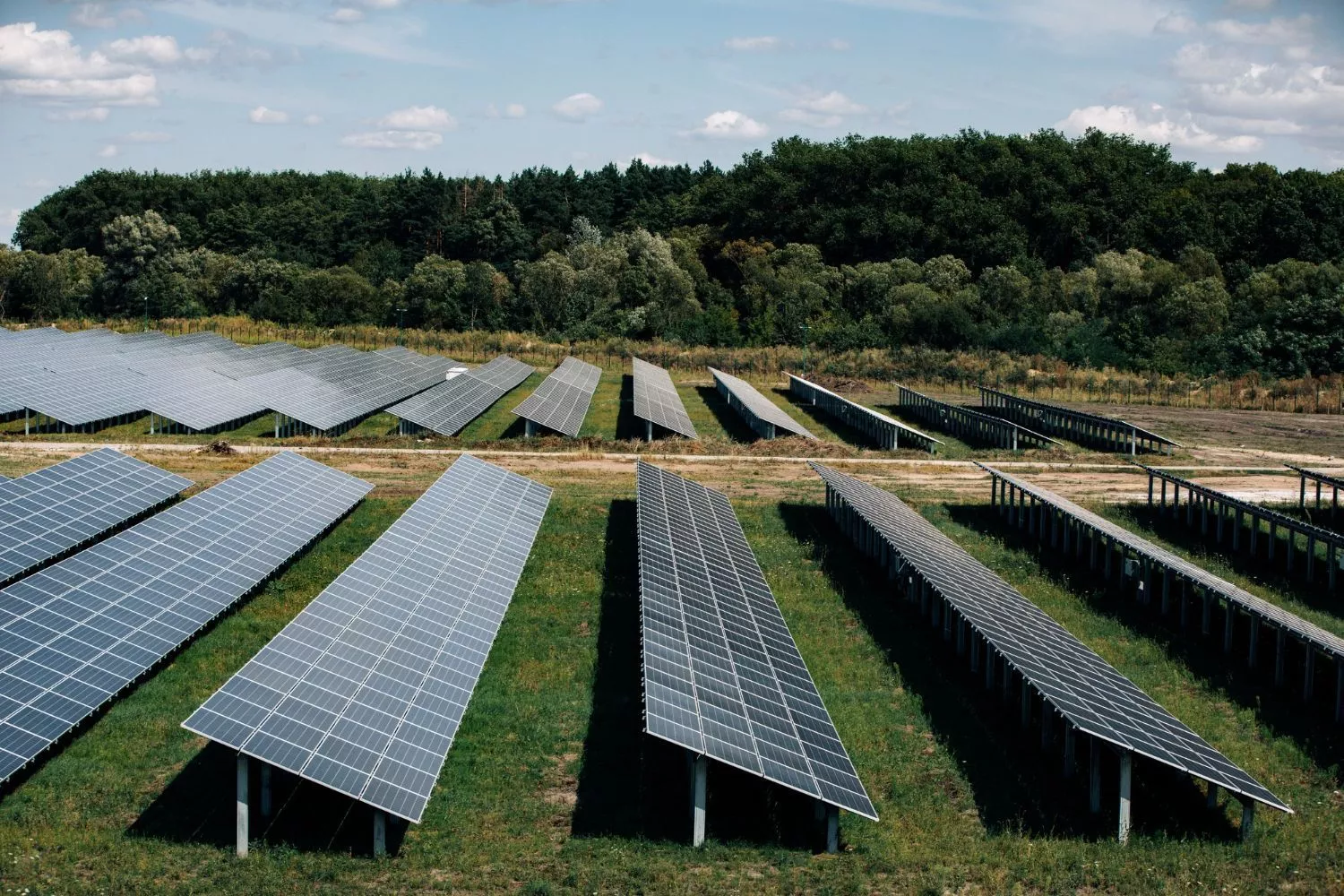
Practice shows that solar panels are capable of operating for 30 years or more. For example, photovoltaic stations operating in Europe and the USA for about 25 years have lost, on average, only 10% of their power.
In Russia and the CIS countries, there are stations in operation for 10–15 years that have lost only a negligible part of their power — usually less than 10%. Major SPP (Solar Power Plant) projects are successfully operating in the Astrakhan region, the Altai Republic, the Orenburg region, and Kazakhstan, confirming the long-term reliability of photovoltaic installations in the local climate.
In Russia, the climate (low temperatures in winter) can even slow down degradation due to less thermal stress compared to hot regions, leading to the preservation of efficiency over a long period.
However, the lifespan of solar panels depends on their type:
Panel Type |
Real Service Life |
Monocrystalline |
30 years and more |
Polycrystalline |
20 years and more |
Thin-film (1st generation) |
from 7 years |
Thin-film (2nd generation) |
up to 20 years |
Today, crystalline silicon modules occupy about 90% of the market — specifically because they degrade slower and last longer than all other types.
What Determines the Service Life of Solar Panels?
The service life of solar panels is the result of many factors interacting: from the regional climate to the quality of installation and regularity of maintenance.
Main Factors of Influence
1. Quality of the module itself. Manufacturers build different safety margins into panels. Cheap modules from unknown brands degrade 1.5–2 times faster than premium counterparts.
2. Correct installation. Installation errors — tilt angle, ventilation, fasteners — directly affect the thermal conditions of the panels. Overheating accelerates the destruction of the sealant and reduces efficiency.
3. Regularity of maintenance. Dirty panels lose between 10% and 25% of their output. Dust, leaves, and bird droppings are physical obstacles to light.
Influence of Climatic Conditions
Every natural phenomenon affects the panel in its own way:
- UV radiation and heat destroy the ethylene-vinyl acetate (EVA) film sealant that protects elements from moisture. Over time, the film yellows, loses elasticity, and lets in less light.
- Humidity causes corrosion of metal contacts, delamination of encapsulants, and destruction of the module's backsheet.
- Sharp temperature fluctuations create microcracks in silicon elements and disrupt solder joints due to different expansion coefficients of materials.
- Strong winds lead to vibrations, mechanical damage, and in critical cases, glass breakage.
- Snow and ice create a static load capable of breaking elements or twisting the frame.
- Polluted air (salt near the seacoast, ammonia near agricultural enterprises, sulfur compounds in industrial zones) accelerates the corrosion of all external components.
The harsher the climate, the faster the degradation occurs. This is why Unigreen Energy specialists always perform a professional system calculation that takes local operating conditions into account.
How Does Solar Panel Power Decrease?
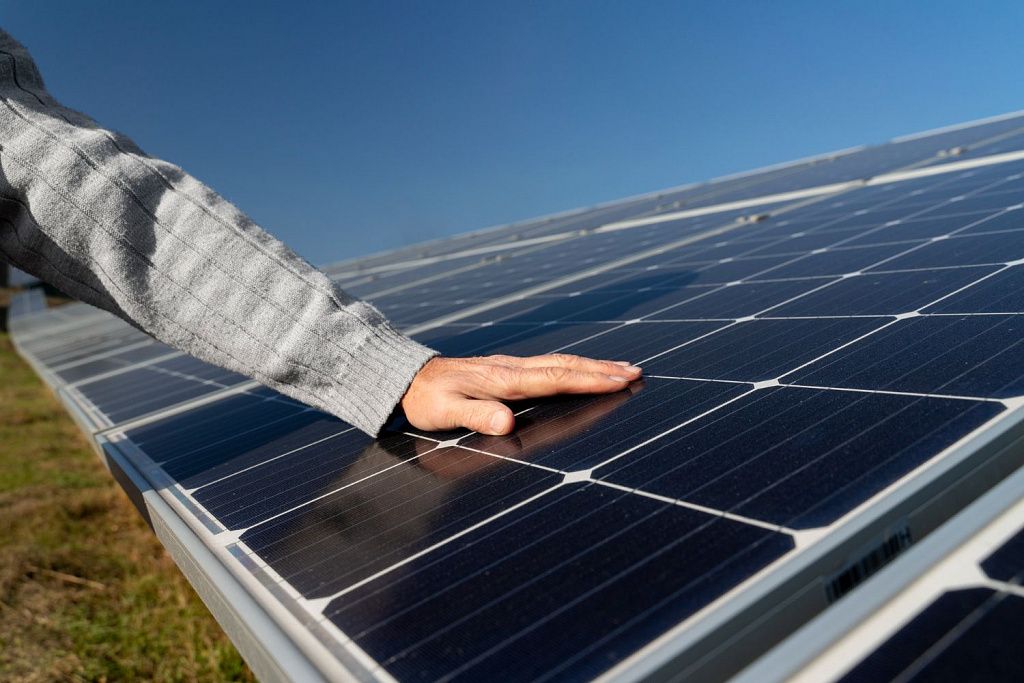
Degradation is the gradual decrease in panel power under the influence of time and the external environment. It is impossible to avoid, but you can choose panels with a minimum rate of loss.
Two main mechanisms of degradation:
1. Destruction of the sealing EVA film between the glass and the elements — moisture penetrates inside, causing contact corrosion and increased resistance.
2. Clouding of the EVA layer — transparency decreases, less light reaches the photocells, and output drops.
The typical degradation rate of modern crystalline panels is 0.36–0.5% per year. The first year is unique: manufacturers account for an initial stabilization period with losses of up to 1–3%.
Degradation rates by technology (produced after 2000):
Panel Type |
Annual Power Loss |
Monocrystalline silicon |
0.36% |
Polycrystalline silicon |
0.64% |
Amorphous silicon (a-Si) |
0.87% |
Cadmium telluride (CdTe) |
0.40% |
CIGS |
0.95% |
Thin-film modules lose 10% to 30% of their power in the first two years, which is why they are produced with a factory power margin of 15–20%.
Warranty and service Life of Solar Panels
Manufacturers provide two types of warranties, and it is important to understand the difference between them.
1. Product Warranty — protection against manufacturing defects. It usually ranges from 10 to 25 years. If a panel fails due to the manufacturer's fault, it will be replaced.
2. Performance Warranty — an obligation to maintain at least 80% of the initial power by the end of the warranty period (20–25 years; for double glass — up to 30 years). After 10 years, manufacturers guarantee a decrease of no more than 10%.
Important: Manufacturers build a safety margin into their warranty obligations. In practice, real degradation turns out to be lower than promised. Measurements of modules actually working since the 1980s showed that their output decreased by no more than 10%, even though the warranty allowed for a full 20%.
This is why a 20-year horizon is often used when calculating payback — and everything the system generates beyond this period becomes pure free energy.
Service Life of Solar Power Plant Components
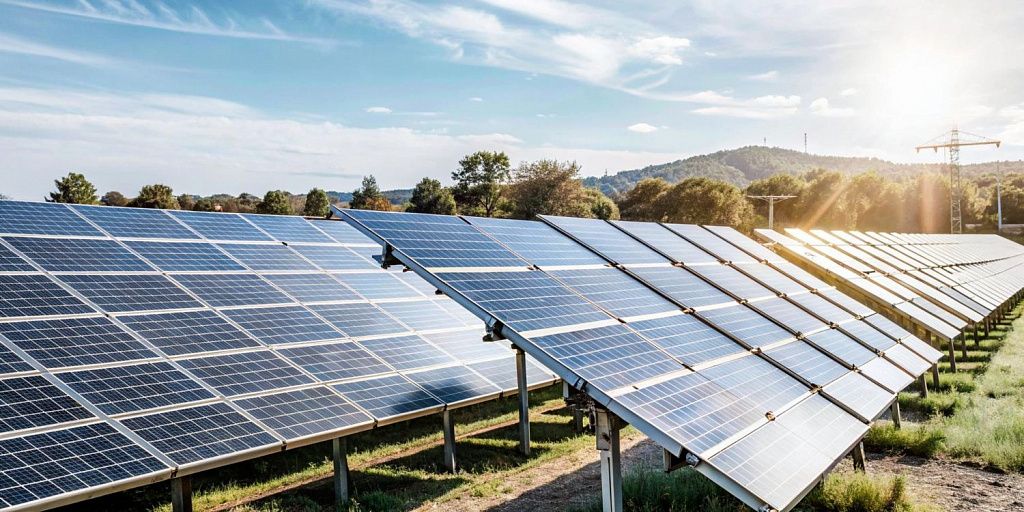
A solar station is a system. And each of its elements has its own resource.
Solar Panels
The most durable component of the system. The lifespan of monocrystalline silicon solar panels is 30+ years, provided they are correctly installed and receive basic maintenance. The photocells themselves practically do not degrade for decades; problems arise in the protective and sealing layers of the module.
Inverter
Converts the direct current (DC) from the panels into alternating current (AC) for home use or transmission to the grid. The average lifespan of power electronics is 10–12 years, with a maximum of up to 20 years. This means that during the life of the station, the inverter will have to be replaced 1–2 times. This fact must be included in the system's payback calculation.
Batteries
The most "consumable" component of autonomous systems. The lifespan of batteries ranges from 2 to 15 years depending on the type and operating mode, averaging 4–10 years. Lithium iron phosphate (LiFePO4) batteries last longer than lead-acid ones but are also more expensive. When choosing a battery type, it is important to calculate the cost of the energy storage cycle, not just the initial price of the device.
Maintenance: How to Extend Service Life
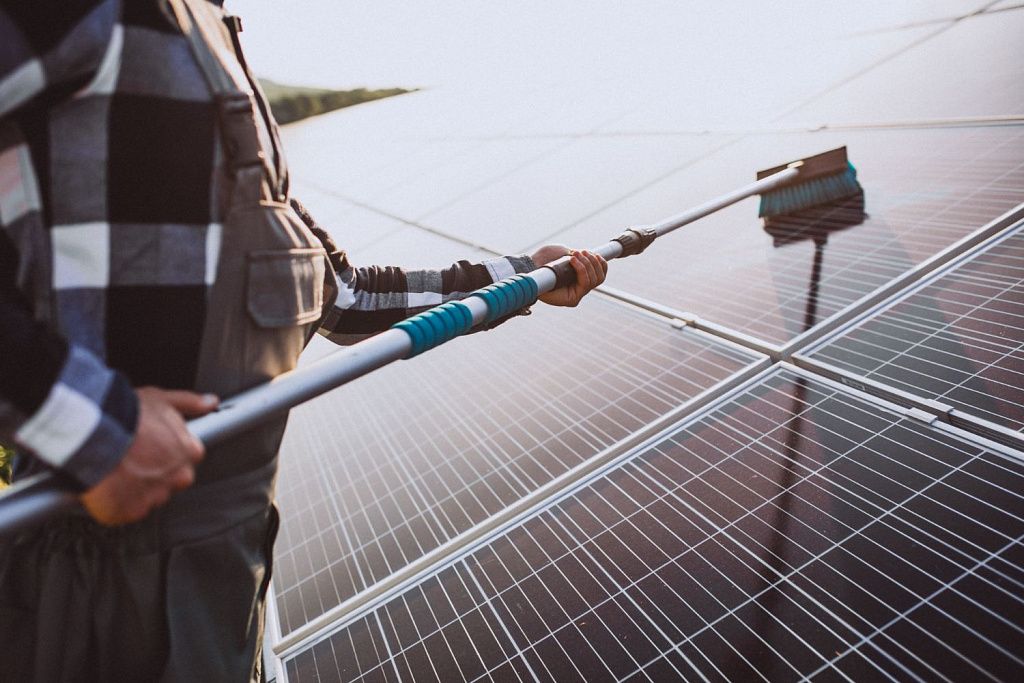
1. Regular cleaning. Dirt reduces light transmission and can increase moisture content in micro-gaps. The frequency of cleaning depends on the region: more often in steppe and arid zones, less often in rainy ones.
2. Protection from physical damage. Scratches on the glass surface are a pathway for moisture. A fallen branch or roof icing can damage the modules. In areas with strong winds, it makes sense to install wind protection structures.
3. System monitoring. Modern inverters transmit output data in real-time. A sharp drop in performance is a signal that one of the modules or system components needs inspection.
4. Professional inspection. A diagnostic with a thermal imager is recommended once every 2–3 years: it identifies hidden defects.
Answering Your Questions
What is the lifespan of solar panels without maintenance?
Contamination eats up to 25% of output, and unrecognized defects even more. The real service life without care is reduced by 20–30% compared to maintained systems.
After how many years does solar panel efficiency drop?
A noticeable decrease in power with a typical degradation of 0.5% per year becomes felt after about 10–15 years.
Do solar panels need to be replaced after 25 years?
No, if they maintain sufficient performance. The warranty period is not an expiration date. After 25 years, the system continues to generate electricity, just outside the manufacturer's warranty obligations.
How to tell if a panel has failed?
Main signs: a sharp drop in output according to monitoring data, visible cracks or darkening on the surface, "hot spots" during thermal imaging diagnostics, physical delamination, or bulging of the module. At the slightest doubt, call a specialist with diagnostic equipment: a visual inspection only reveals part of the faults.
Director of the Sales Department of the Russian Federation and the CIS